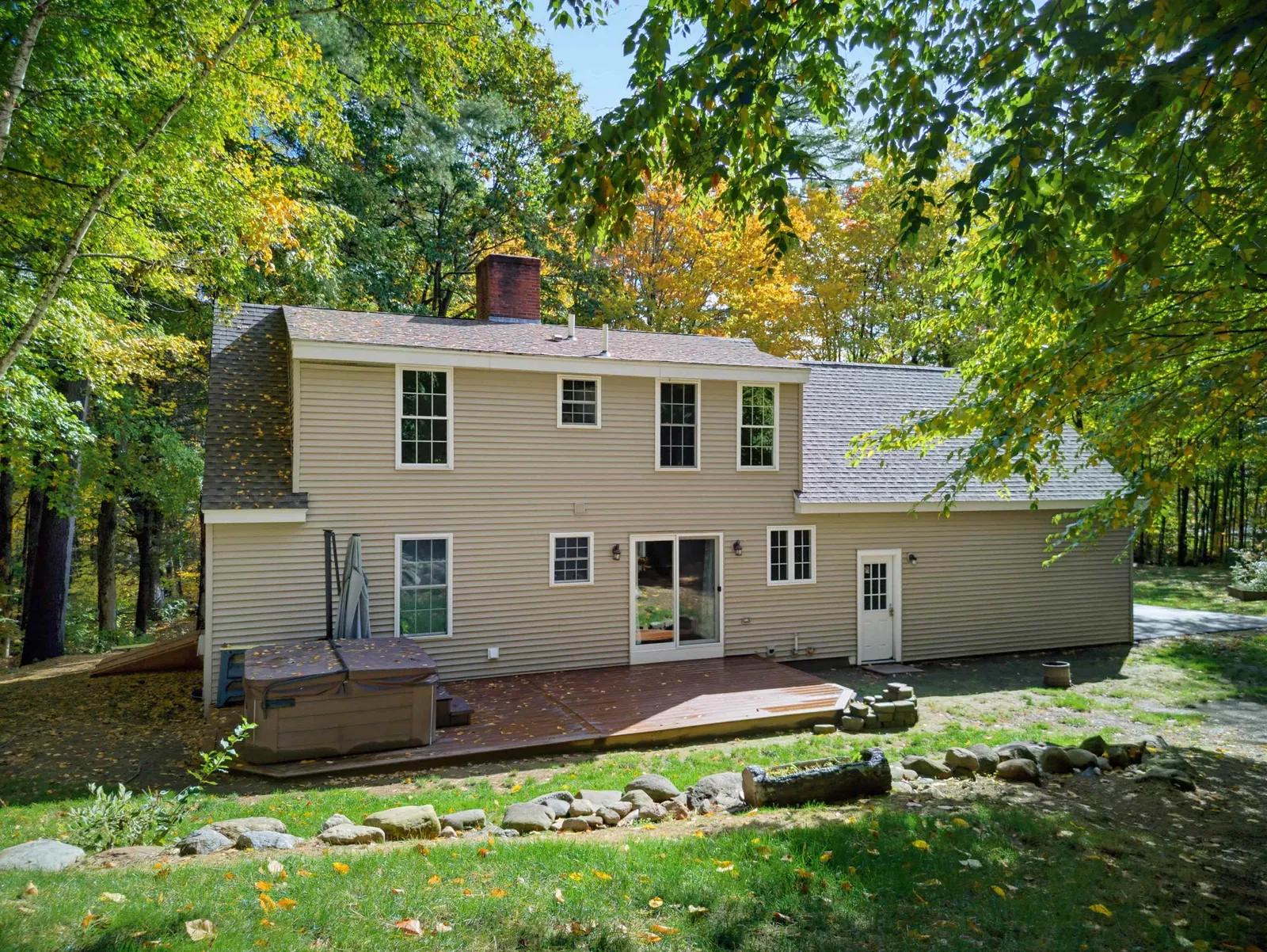
Rear of a New Hampshire home with a deck, lawn, and mature trees in autumn
MANCHESTER · SOUTHERN NH · STATEWIDE SERVICE

Your New Hampshire Seller Experience

A considered plan. A well-presented home. Guidance through the decisions that connect your sale to your next move.

A SALE BUILT AROUND YOUR NEXT CHAPTER

What is it like to sell with Damon Home Team?

You should know why the home is priced a certain way, what needs to happen before launch, how buyer feedback will be reviewed, and which decisions are coming next. Our seller experience gives those conversations a practical structure.

Damon Home Team at eXp Realty is based in Bedford, with a strong focus on Manchester and surrounding Southern NH communities and service across New Hampshire. A city condo, a home on acreage, a vacation property, and a house involved in a move across the state each need a plan that reflects their features and your circumstances.

We begin with what the sale needs to accomplish. Your priorities may include timing, expected proceeds, limited preparation work, privacy, or coordinating another purchase. Discuss the tradeoffs early so the plan is based on your goals as well as the homes buyers can choose today.

A clear sequence from first conversation to closing

A home sale is a series of decisions, not just a listing date. Use these stages to understand what we help organize and what you should be ready to discuss.

1

Understand the property and your goals

Share the address, ownership circumstances, moving window, improvements, known concerns, and what you want the sale to support. We discuss the property review and information needed before recommending next steps.

Your next decision: which priorities and constraints should shape the listing plan?

2

Review pricing and likely proceeds

Compare relevant sales, active competition, condition, and features. Discuss the recommended price alongside an estimate of selling costs and payoffs so the conversation includes what the sale may leave available for your next move.

Your next decision: which pricing approach fits the evidence and your goals?

3

Choose preparation priorities

Separate necessary information and maintenance from optional presentation work. Discuss cleaning, decluttering, repairs, access, photographs, and any staging recommendations. Set a budget and identify who is responsible before work begins.

Your next decision: what should be completed before the home is photographed or shown?

4

Launch with a coordinated presentation

Confirm the listing details, media, marketing channels, and showing arrangements. Make the home’s features easy to understand and provide accurate information about the property. Agree on how questions and buyer interest will reach you.

Your next decision: is the presentation accurate and the home ready for the planned launch?

5

Review activity and negotiate offers

Look at showing feedback, relevant competing listings, and the terms of any offers. We help you compare price with financing, contingencies, credits, deposits, timing, and your expected obligations. You decide whether to accept, decline, or counter.

Your next decision: which complete set of terms best fits your circumstances?

6

Work through the agreement and move

Keep inspection, financing, appraisal, title, and closing milestones in view. Coordinate access and any agreed work with the professionals involved. Confirm document requests, walkthrough arrangements, possession, and the moving plan.

Your next decision: what must be resolved or completed before the next contractual milestone?

Start with a price discussion grounded in your actual home

An automated estimate is a useful starting point, but it cannot walk through the rooms, evaluate every improvement, or fully interpret how your home compares with current alternatives. Pricing needs context: property type, condition, usable space, setting, and the evidence from relevant homes.

A Manchester property may compete with homes in a different part of the city or in nearby towns, depending on the buyer’s search. A condo comparison also needs association fees and responsibilities in view. For acreage, seasonal use, or distinctive features, discuss which comparisons are truly useful rather than relying on a broad town average.

Bring the details an estimate cannot see

Gather a practical summary of improvements, approximate project dates, maintenance records, relevant documents, and known issues. Tell us what has changed since you bought the property and what buyers commonly notice when they visit.

Review the strategy after launch

Discuss how activity and feedback will be evaluated and when the plan should be revisited. Low activity, repeated questions, or a change in competition are reasons to examine the evidence. A price adjustment should be a considered decision, not a substitute for understanding the response.

Prepare and present the home with a purpose

Good presentation helps buyers understand the property before they visit and evaluate it more clearly during a showing. Start with the agreed services and a practical preparation list rather than assuming every house needs the same improvements or media package.

Preparation that fits the property

Review cleanliness, clutter, lighting, maintenance, and access before larger projects. Decide what can be completed within your time and budget. Obtain qualified advice and estimates for technical issues instead of treating a cosmetic change as a solution to a condition concern.

Photography and accurate details

Discuss the images and other media appropriate to the home. Confirm room use, features, inclusions, and other listing information. Clear visuals should show the property honestly, with written details that help buyers ask relevant questions.

Distribution and buyer access

Agree on how the listing will be shared, which marketing methods are included, and whether an open house or additional tours fit the plan. Advertising, listing distribution, and direct conversations are tools; no channel guarantees a buyer, a certain number of offers, or a sale price.

Feedback you can act on

Ask what activity information will be available and how often you will review it together. Consider the substance of feedback alongside price, condition, competing homes, and access. One person’s preference is different from a repeated issue worth investigating.

Discuss the specific services and costs in your listing agreement. The NAR consumer guide to marketing your home offers questions to bring to that conversation.

Make communication and showing arrangements clear

Agree on how you will stay connected

Choose your preferred contact method and discuss how routine updates, showing feedback, offers, and time-sensitive questions will be handled. Identify everyone who needs to be involved in decisions and tell the team if travel or work limits your availability.

Plan for daily life while listed

Discuss notice, showing windows, pets, valuables, parking, and access instructions before launch. Keep essential information consistent, and raise scheduling problems promptly. If the property is vacant or you live elsewhere, establish who can provide access and respond to property issues.

Compare the whole offer, not just the number

A higher price can come with different conditions, costs, and timing. We help you organize the terms so you can judge how each proposal fits your goals. Ask questions before responding, particularly when an offer includes a condition or deadline you have not encountered before.

Price and expected proceeds

Review the purchase price alongside requested credits, agreed compensation, payoffs, and other expected transaction costs. Compare the estimated net result, while recognizing that final charges and adjustments are confirmed through closing.

Financing and contingencies

Discuss how financing, inspections, appraisal, a buyer’s home sale, and other conditions affect the proposed transaction. Understand what information is available and what remains unresolved. An offer label alone does not explain the complete risk or requirements.

Dates and possession

Compare deposits, due-diligence deadlines, proposed closing, and possession with your moving plan. Identify any gap between leaving this property and accessing your next home. Do not book an irreversible move around an unconfirmed date.

Your response and next steps

You choose how to respond. We help communicate that response and keep the next milestones organized. If you want to change a term, understand how the proposed change affects the rest of the agreement and involve appropriate professional advice when needed.

Understand services, selling costs, and your responsibilities

Before committing to a listing relationship, review the written agreement: services, duration, compensation, expenses, and the responsibilities it describes. Agent compensation is negotiable. Discuss any proposed buyer-related compensation or concessions separately so you understand what you are authorizing and how it affects your transaction.

Prepare a working proceeds estimate that includes the information relevant to your sale. Loan balances, transaction charges, credits, property obligations, preparation, and moving expenses can all affect what remains. Update the estimate when terms change, and ask your closing professional to explain the final statement.

You remain responsible for reviewing information, making decisions, providing required documents, and addressing property questions honestly. Your agent coordinates real estate work; qualified legal, tax, lending, inspection, and closing professionals handle matters within their own roles.

For questions to ask before choosing representation, see the NAR guide to interviewing a seller’s agent.

Connect the sale to the move you are making

Selling and buying together

Plan the sequence, financing questions, expected proceeds, contingencies, and dates together. Discuss alternatives if closings cannot align, including temporary housing and storage. Your lender confirms the financing requirements for the next purchase.

Plan the buyer side of your move →

Downsizing or changing property type

Build time for sorting, preparation, and identifying the next home. Compare maintenance, accessibility, storage, fees, and location alongside the sale. A smaller home is useful when it fits the way you want to live.

Explore downsizing guidance →

Relocating within or beyond NH

Share departure dates, travel, work commitments, and access limitations early. Coordinate the listing and transaction around the practical details of the move while leaving room for changes that can arise before closing.

Explore our New Hampshire relocation guide →

Comparing a cash offer and listing

If a cash-offer route is available, compare its price, fees, conditions, and likely proceeds with a traditional listing. Convenience, preparation, and timing have tradeoffs. Review the actual proposal rather than assuming every cash offer works the same way.

Review cash-offer options →

An inherited or remotely owned home

Clarify who has authority to act and who can coordinate local access. Gather property information and identify questions for an attorney or tax adviser. Discuss a realistic preparation and showing plan if you cannot visit regularly.

Discuss the property circumstances →

A condo, investment, or vacation property

Bring relevant association, tenancy, maintenance, seasonal-access, and property-use information into the discussion. The review should reflect the property’s actual obligations and features, with qualified advice on issues outside the agent’s role.

Find seller resources for your situation →

Read what working with the team is like

Client experiences can help you prepare questions about communication, preparation, negotiations, and support through the transaction. Get to know the agent you would like to speak with.

Tell us what your sale needs to accomplish

Share the property location, your preferred timing, and the question you want to resolve first. Use the inquiry form for a message, or choose a specific appointment time on the consultation page.

Useful details for the first conversation

  • The property address and type.
  • Your moving window and next housing plans.
  • Improvements, condition concerns, or preparation limits.
  • Whether the home is occupied, vacant, or managed from elsewhere.
  • Questions about price, proceeds, services, or the selling process.

The form sends an inquiry to Damon Home Team. For a scheduled appointment, use the consultation page. Privacy policy.

Questions about the Damon Home Team seller experience

What is the first step in selling with Damon Home Team?
Book a 30-minute consultation and share your property address, goals, moving window, and any concerns about condition or timing. The team can discuss a property review, relevant comparable homes, preparation priorities, and the information needed to shape a listing plan. You do not need to finish repairs before that first conversation.
How do you help choose a listing price?
We review relevant recent sales, competing listings, property condition, improvements, and the location and features buyers will compare. An online estimate can start the discussion but cannot see every detail. You choose the listing price after reviewing the evidence and the tradeoffs of the proposed strategy.
Do I need to renovate or stage before listing?
Not every home needs a major project. Start with the condition, likely buyer questions, available time, and preparation budget. Discuss cleaning, decluttering, maintenance, repairs, and presentation before authorizing work. Ask which services are recommended, who arranges them, and which costs you would pay. No improvement guarantees a specific return.
What does your marketing plan include?
The plan should explain the listing presentation, photography and other media, distribution channels, showing arrangements, and how feedback will be reviewed. Ask which items fit your property and are included in the listing services. Exposure is useful when it helps buyers understand the home; it does not guarantee offers or a sale price.
Can I live in my home while it is listed?
Yes, discuss an occupied-home showing plan before launch. Set expectations for notice, available viewing windows, pets, valuables, and how the home will be secured after visits. The plan needs to balance daily life with reasonable access for prospective buyers. Tell the team about restrictions early so they can be addressed.
Should I accept the highest offer?
Compare more than the headline price. Review financing, deposits, contingencies, requested credits, proposed dates, and the expected proceeds and obligations under each offer. The strongest fit depends on your goals and the complete terms. The team helps you compare the options; you decide how to respond.
What if inspections or the appraisal raise an issue?
Discuss the report or valuation, the deadlines in the agreement, and the options available in your transaction. You may need additional information from qualified professionals before responding. An issue does not automatically require a particular repair, credit, price change, or cancellation. Make decisions based on the actual contract and circumstances.
What costs should I plan for when selling?
Build an estimate that includes loan payoffs, agreed brokerage compensation, applicable transaction charges, agreed credits, preparation and moving costs, and other property-specific obligations. Compensation is negotiable. Ask for an updated estimate when the price or terms change; the final amount depends on the closing statement and your transaction.
How long will it take to sell my New Hampshire home?
Preparation, the active listing period, and the contract-to-closing period are separate parts of the timeline. Each depends on the home, pricing, demand, access, financing, due diligence, and the agreement. Discuss a realistic schedule and alternatives if your preferred closing date does not align with the sale.
Can you help me sell and buy another home at the same time?
Yes. Review likely sale proceeds, financing requirements, the order of transactions, contingencies, and moving arrangements together. Speak with your lender before depending on sale proceeds for another purchase. The team can help coordinate the real estate milestones while you consider backup housing and storage if the dates do not line up.
Can you help with an inherited home or a sale from out of state?
Share the property circumstances, who is authorized to act, access arrangements, and your travel availability. The team can discuss the real estate work and coordination needed. An attorney, tax adviser, or other qualified professional should address ownership authority, estate, tax, and legal questions specific to the situation.
Do you serve sellers outside Manchester?
Yes. Damon Home Team is based in Bedford, focuses strongly on Manchester and surrounding Southern NH communities, and serves sellers across New Hampshire. Discuss your property location and type, including a condo, investment property, vacation home, or home involved in a downsizing or relocation move, so the plan can reflect its specific details.
Give your next chapter a considered selling plan

Whether you are selling in Manchester, Southern NH, or elsewhere in New Hampshire, start with your property, your goals, and the decisions ahead.